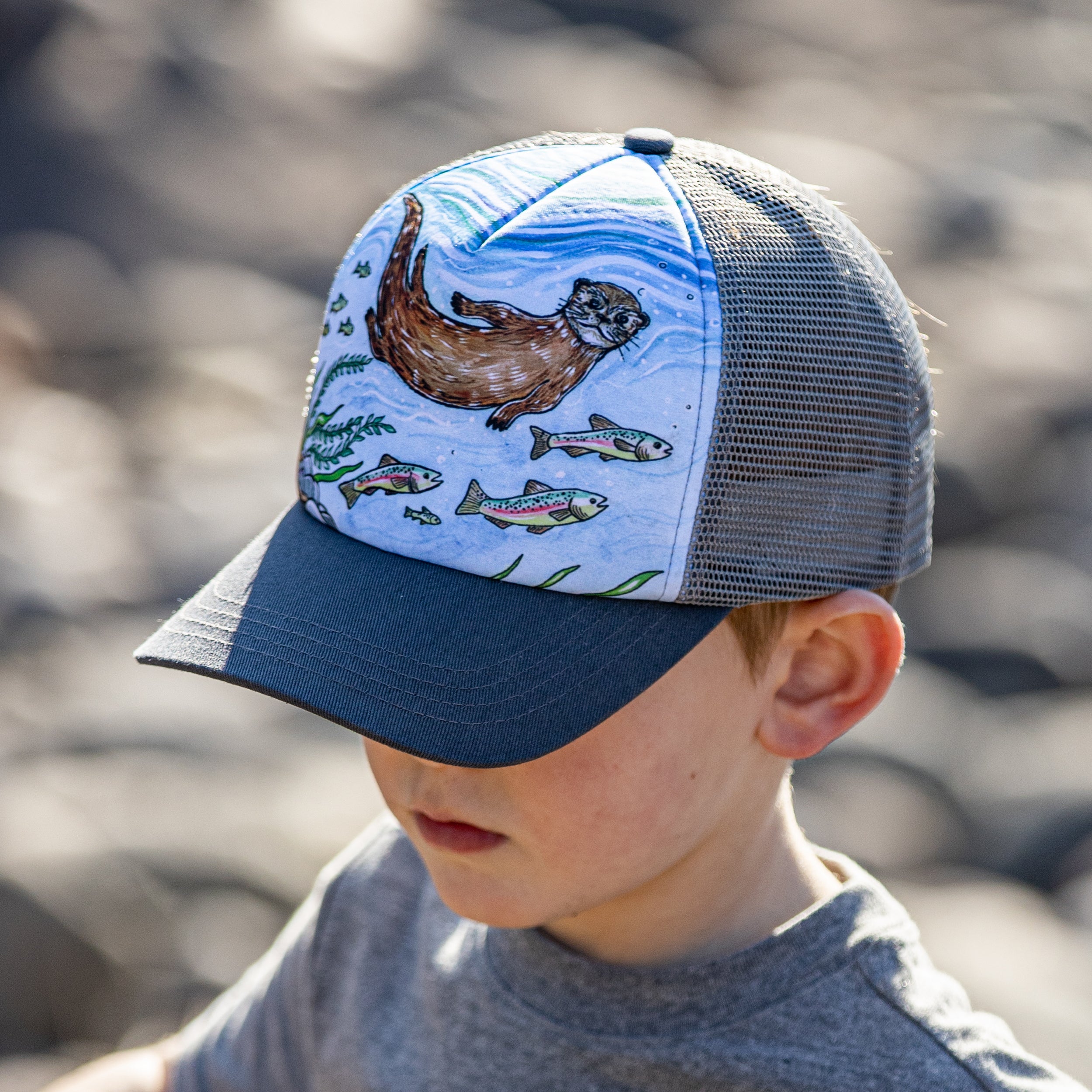
Not all sun protection is created equal. Your sunscreen wears off within hours. Your hat might not offer the maximum UPF sun protection. And that "sun shirt" you grabbed off a rack might be doing less than you think. UPF-rated gear takes the guesswork out of it. But what does UPF mean, how do the ratings work, and why does it matter for your time outside? UPF 50+ sun protection has been the foundation of Sunday Afternoons since day one, and once you understand it, it's hard to imagine heading outdoors without it.
What Does UPF Stand for, and Why Does it Matter?
UPF stands for Ultraviolet Protection Factor, the standard used to measure how well a fabric shields your skin from the sun's UV radiation.
Think of it as the clothing equivalent of an SPF rating, but more comprehensive. While SPF only measures protection against UVB rays (the kind that causes sunburn), UPF accounts for both UVB and UVA radiation.

UVA rays penetrate deeper into the skin and are a leading contributor to premature aging and long-term skin damage. UVB rays are the primary cause of sunburn. Both types do more damage than most people realize.
According to the Skin Cancer Foundation, 86% of melanomas are caused by UV radiation from the sun, which is why broad-spectrum protection that covers both UVA and UVB rays isn't just a nice-to-have, it's essential.
When you see a UPF rating on a hat or shirt, it's telling you exactly how much UV radiation that fabric blocks. A UPF 50 garment, for example, allows only 1/50th of UV rays to pass through. That's a level of precision that a regular cotton tee, which can have an effective UPF as low as 5, simply can't match.
Sun protection has been at the core of everything we make since Sunday Afternoons was founded. Our sun hats carry a UPF 50+ rating, so you never have to guess. When you reach for one of our sun protective styles, you already know it's going to give you maximum sun protection.
UPF vs SPF: What’s the Difference?
UPF and SPF measure sun protection differently: UPF applies to fabric, while SPF applies to sunscreen applied to skin.
SPF (Sun Protection Factor) tells you how long sunscreen can help protect your skin from UVB rays before burning, but it doesn't factor in UVA exposure. And sunscreen has its limitations: it sweats off, washes away in the water, and needs to be reapplied every two hours to stay effective.
UPF-rated clothing doesn't fade, sweat off, or require a reapplication schedule. Once it's on, you're good to go for as long as you need.
That doesn't mean you should ditch sunscreen entirely. The best approach combines both UPF clothing to protect covered areas and broad-spectrum sunscreen for everything that's exposed, like your face, neck, hands, and any other skin left uncovered.
Think of UPF garments as your first line of defense and sunscreen as your backup for the gaps. For extended outdoor days like hiking a sun-exposed ridge, paddling on open water, or sitting at a crowded festival, UPF clothing dramatically reduces how much sunscreen you need and lowers the risk of missing a spot.
Our sun protective styles are UPF 50+ rated to ensure you have the very best protection against both UVA and UVB rays for as long as you're outside. Our outdoor styles like the Original Adventure Hat, Ultra Adventure Hat, and Sun Guide Cap are built for full-coverage protection on the trail, the water, and long days under the sun. Wide brims, neck capes, and technical fabrics give you the coverage you need when the sun is relentless and the miles are long.

But sun exposure doesn't clock out when you do. UV rays are just as present on a walk to the coffee shop, an afternoon in the backyard, or a tropical vacation. That's why our everyday styles like the Sunset Hat, Havana, and Sol Seeker are built to the exact same UPF 50+ standard. Same sun protection in casual styles, because your skin doesn't know the difference between a ten-mile hike and a Tuesday errand run, and your hat shouldn't either.
UPF Ratings Explained: What Do the Numbers Mean?
A higher UPF number means more UV rays are blocked, and the difference between ratings is meaningful.
Here's a quick breakdown of what each UPF rating means at each level:
|
UPF Rating
|
UV Rays Blocked
|
Protection Category
|
|
UPF 50+
|
98%+
|
Excellent (Maximum)
|
|
UPF 40–50
|
97.5–98%
|
Excellent
|
|
UPF 25–39
|
96–97.4%
|
Very Good
|
|
UPF 15–24
|
93.3–95.9%
|
Good
|
So what does UPF 40+ mean in practice? A garment rated UPF 40+ blocks at least 97.5% of UV radiation. That means less than 2.5% of UV rays are getting through.
UPF 50+ takes it a step further, blocking 98% or more of UV rays and allowing just 1/50th through. It's the highest standard available. Our sun hats are built with UPF 50+ protection, giving you the best sun coverage possible.
Both UPF 40+ and UPF 50+ ratings fall into the "Excellent" protection category, and the difference between them is small. But when you're spending long days at elevation, on the water, or in full sun, that extra margin matters. It's also why UPF 50+ is the standard across our sun protective styles.
The Bottom Line on UPF
The sun isn't going anywhere, but that shouldn't slow you down. Whether you're hiking miles on an exposed ridgeline, floating a lazy river, or just running errands on a bright Tuesday afternoon, UV rays are part of the deal no matter where the day takes you. Once you understand what UPF means and why it matters, you can stop guessing and start making smarter choices about how you protect yourself outdoors.
At Sunday Afternoons, we've spent over 35 years thinking about UPF sun protection so you don't have to. Every single hat we make is built with UPF 50+ ratings, because that's never been a bonus feature, it's been the standard since day one. Reach for any of our sun protective hats and know that you're getting maximum coverage, every time. Shop our full collection of UPF 50+ sun hats or check out our Sun Hats Buyers Guide and find the one that's right for you.
Frequently Asked Questions About UPF
Does UPF wash out over time?
Unlike some UV-protective treatments that can fade with repeated washing, the UPF rating of a well-made sun hat is built into the UV protection fabric itself, not applied as a surface coating. With proper care, a quality UPF 50+ hat will maintain its protection throughout its life.
Is UPF 50 enough protection for a full day in the sun?
Yes. UPF 50 blocks 98% or more of UV radiation, which is the highest standard available and widely recommended by dermatologists. For most outdoor activities like hiking, fishing, paddling, or a day at the beach, UPF 50+ sun protection gives you excellent coverage.
Does UPF clothing work when wet?
Yes. Unlike sunscreen, which washes off, UPF-rated fabric maintains its protection whether it's dry or wet. That makes it especially valuable on the water or during high-output activities where you're sweating.
What is UPF protection in a hat vs. a shirt?
The UPF rating works the same way across all garments. It measures how much UV radiation the fabric blocks. What differs is coverage. A wide-brim hat protects your face, ears, and neck, the areas most commonly missed by sunscreen and most exposed during everyday outdoor activity.
Do I still need sunscreen if I'm wearing UPF clothing?
Yes. UPF clothing covers what it covers, but exposed skin on your face, hands, and neck still needs broad-spectrum sunscreen. The two work better together than either does alone.